See Explanation
[]
Endocrine
throid disorders
euthyroid sick syndrome
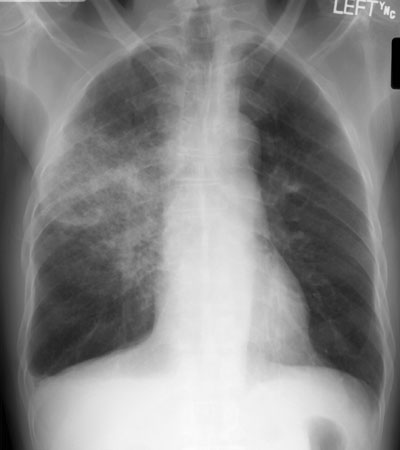
A 68-year-old male is admitted to the general medical ward from the Emergency Department with severe pneumonia and acute respiratory distress. His medical history includes type 2 Diabetes Mellitus and Chronic Kidney Disease (Stage 3). On day 3 of hospitalization, despite initial stabilization and antibiotic therapy, he remains on supplemental oxygen and develops new onset atrial fibrillation with a rapid ventricular response. On physical examination, he is mildly tachypneic, with bilateral crackles noted on lung auscultation. There are no signs of goiter or orbital abnormalities. Skin is warm and dry. Given these clinical findings and laboratory results, what is the most likely underlying thyroid-related diagnosis and the appropriate immediate management strategy?
| Lab Parameter | Value | Reference Range |
|---|---|---|
| TSH | 0.20 mIU/L | 0.4-5.0 mIU/L |
| Free thyroxine (T4), serum | 7.8 pmol/L | 7-17 pmol/L |
| Triiodothyronine (T3), serum | 1.2 pmol/L | 3.3-6.0 pmol/L |
| White Blood Cell (WBC) count | 18.5 x 10^9/L | 4.0-11.0 x 10^9/L |
| Serum Creatinine | 140 micromol/L | 60-110 micromol/L |
| C-reactive protein (CRP) | 150 mg/L | <5 mg/L |
Edit question